

Mopani Mkandawire
United Kingdom, WK 03 - 05
Mopani Mkandawire
United Kingdom, WK 03 - 05
After leaving Waterford, he studied Aerospace Technology with Pilot Studies at the University of Hertfordshire in the United Kingdom. Today, Mopani works as a Systems Manager for the Internal Audit function at Lloyds Banking Group. He is also a Motivational Speaker who teaches youth and young adults how to use their mindset to improve performance in and outside of school.
Mopani joined Lloyds Banking Group to build his financial literacy and gain real-world experience in the financial sector. His passion for motivational speaking grew from learning knowledge that transformed his own life, knowledge he now shares with others to help them achieve the same growth.
He credits Waterford for shaping his character and leadership mindset, even though it did not directly influence his career path. The school taught him essential life skills such as independence, responsibility, time management, and social awareness—skills that helped him thrive in adulthood.
One of Mopani’s fondest Waterford memories is a massive pillow fight in Ekukhuleni hostel shortly after his arrival. What started as small waves of playful attacks quickly turned into a full-blown “Lord of the Rings-style” battle between corridors. The fun ended in detention, but the memory remains one of his favorites.
His favorite ’90s song is Will Smith’s “Will 2K.” His close friends at Waterford included Alfonce Chitate, Manqoba Shabangu, Chiunde Mwanza, Nabil A. Bala, Toshan Patel, Alex Wall, Andrew Hammond, and Tefo Remy Lekay. His favorite teacher was Mr. King, while Mr. Pontuti was the most hilarious.
Mopani’s advice to current and aspiring students is simple and practical: focus on your grades, as strong academic performance opens doors to better opportunities. Study something related to the financial industry, take advantage of internships or summer placements, and build genuine relationships. Success depends on both performance and meaningful connections.
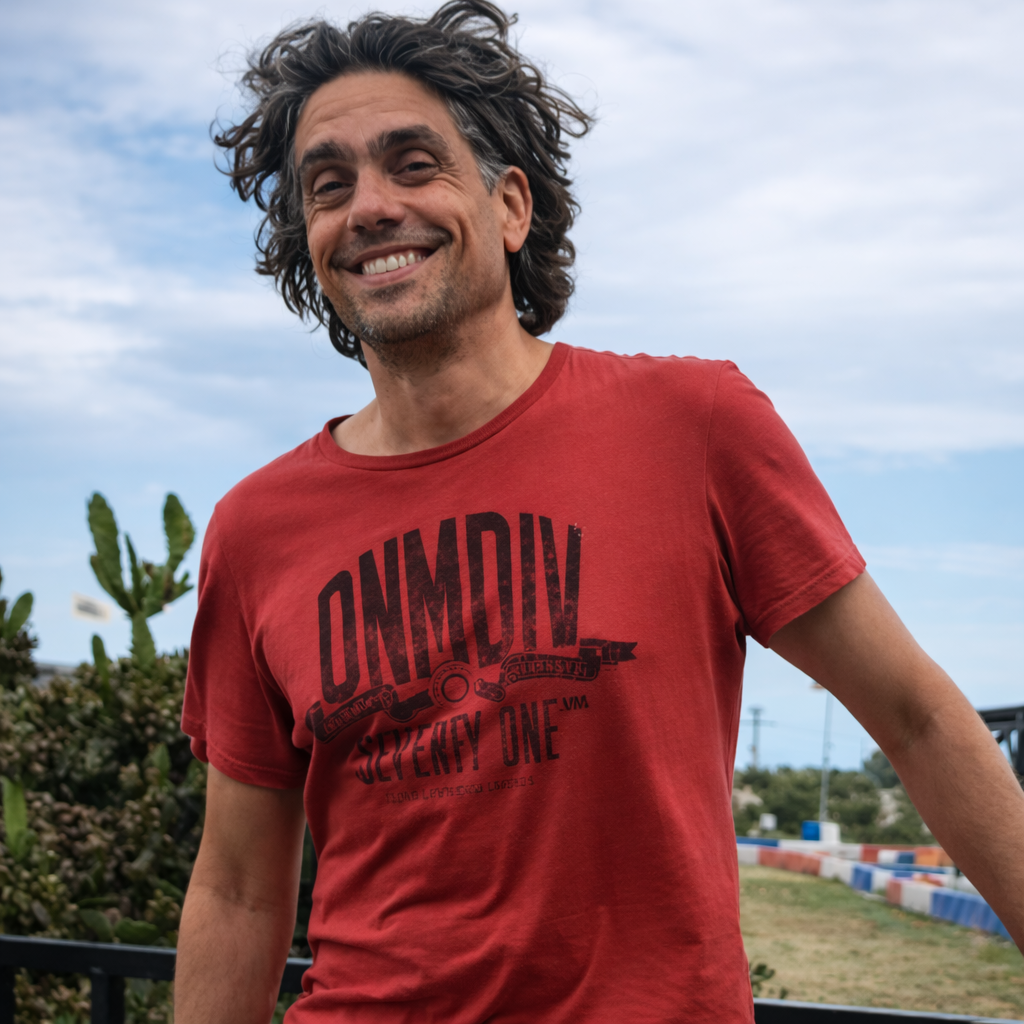
Kai Uwe Bauer
Germany, WK 89-91
Kai Uwe Bauer
Germany, WK 89-91
Kai’s journey from a “Climate Kid” at Waterford to a sustainability leader in aviation reflects a lifelong commitment to the environment. He works at the European Aviation Safety Agency (EASA), where he focuses on sustainability in aviation. His work includes developing tools and standards that reduce the industry’s environmental impact. These include aircraft efficiency measures, Sustainable Aviation Fuels derived from waste, and market-based solutions like carbon offsetting. His current project aims to create an environmental labelling system for aviation, allowing passengers to choose more sustainable flights.
Kai traces his passion for sustainability back to his time at Waterford. Although the term “sustainability” was not yet widely used, he and other students were deeply concerned about the planet’s future. He joined Yonge Nawe, the Swazi nature conservation club, and worked on practical projects like paper recycling and protecting the school’s nature reserve. Those early efforts shaped the foundation of his environmental and leadership mindset.
After Waterford, Kai studied Agricultural and Environmental Economics, which led to a career in international institutions, including the European Union. Over the last two decades, he has worked across various EU programs focused on environmental protection, development, and aviation.
For Kai, sustainability is inseparable from diversity and collaboration. He views the European Union as a peace project that brings people from different nations together to solve complex global challenges. His work in aviation sustainability is built on this same principle: cooperation across disciplines, cultures, and generations.
Reflecting on his time at Waterford, Kai remembers an era of optimism marked by Mandela’s release, the end of apartheid, and the fall of the Berlin Wall. He notes that while the world faces new challenges today, the values of diversity, open-mindedness, and democracy remain as vital as ever.
Kai believes that true progress comes from simplifying complex issues through teamwork and shared understanding. His Waterford experience taught him to value diverse perspectives and lifelong friendships, which continue to inspire his professional and personal journey.
He credits those “crazy, irritating, and stubbornly persistent” Waterford friendships for keeping him grounded, creative, and committed to making a positive impact on the world.
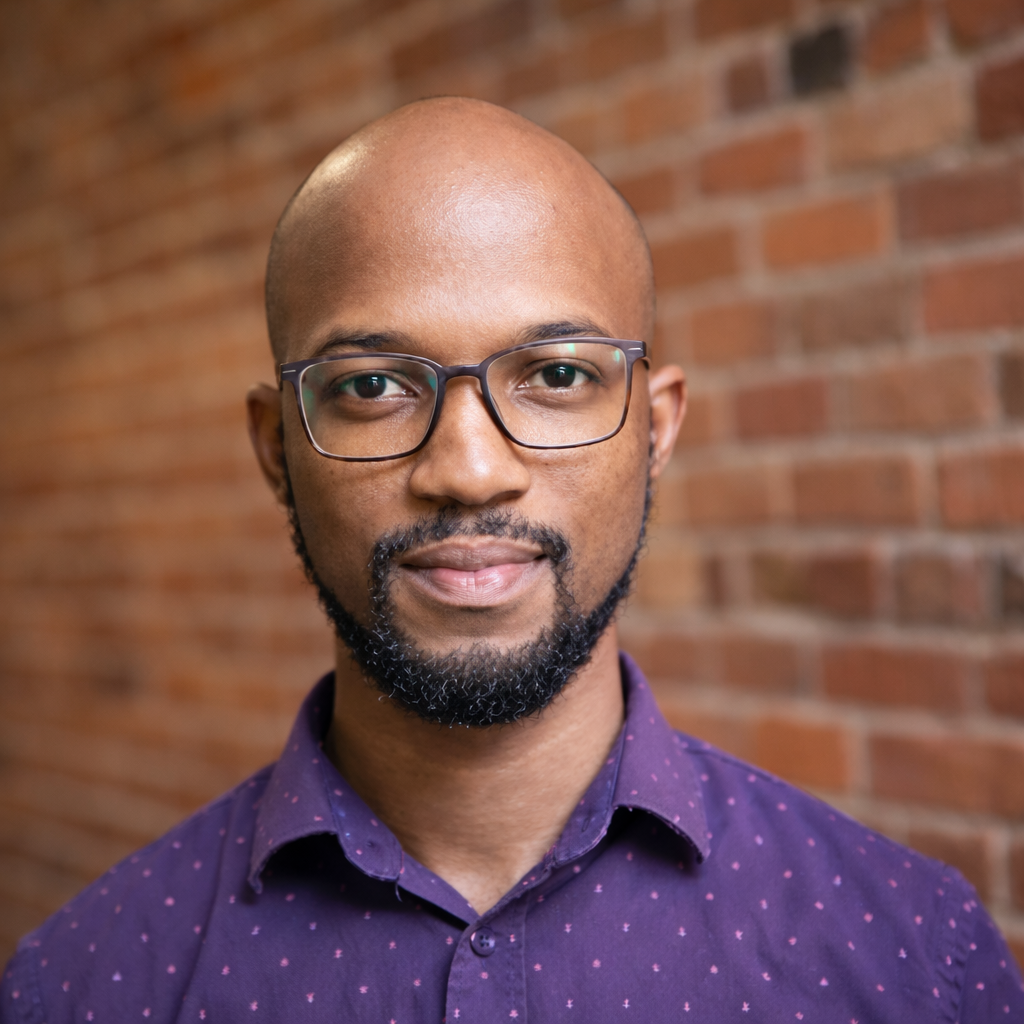
Zwelakhe Dlamini
Swaziland, WK 2013-2014
Zwelakhe Dlamini
Swaziland, WK 2013-2014
After two unsuccessful attempts at securing the Eswatini National Committee scholarship, Thandolwethu refused to give up. While volunteering as a science and mathematics teaching assistant at his former school, he used his small stipend to pay teachers to guide him through AS-Level subjects he studied independently. His determination paid off when the Eswatini Electricity Company (EEC) agreed to sponsor him for a pre-university program. He immediately approached Mr. Storer at Waterford, who welcomed him. That meeting not only opened the door for his own admission but also led to the creation of the EEC scholarship program, which went on to fund six Waterford students over four years.
Arriving at Waterford in January 2013 was the fulfillment of a dream. The moment carried deep emotion, as he had recently lost his grandmother, whose encouragement had driven him from the start. At Waterford, he became deeply involved in school life, serving in the Student Representative Council, the choir, and as a peer supporter. He values the encouragement and mentorship he received from staff and students alike, crediting it for shaping his drive to contribute meaningfully to every community he joins.
Thandolwethu’s Waterford education laid the foundation for his academic and leadership success. His strong academic record and extracurricular involvement led to his admission to Duke University, where he received both the Mastercard Foundation Scholarship and the Allan Gray Orbis Foundation Fellowship.
He is currently completing a degree in Mechanical Engineering with a minor in German at Duke University. His academic and professional focus centers on energy access, sanitation, and sustainable development in Africa. He has worked on a Bill and Melinda Gates Foundation-funded sanitation project and contributed to solar mini-grid initiatives in Lesotho and Eswatini that bring electricity to off-grid communities.
Thandolwethu is also passionate about education and youth empowerment. He co-founded The Knowledge Institute, an NGO he started as a student at Waterford, and has co-organized two UWC short courses hosted at the school in 2018 and 2019.
His love for music, nurtured at Waterford, remains an important part of his life. At Duke, he co-founded the university’s first African choir, Duke Amandla Chorus, and continues to perform in various musical groups.
Thandolwethu’s guiding principle is to seek growth in every opportunity and use that growth to add value to others. His advice to current and future UWC students and alumni is to strive to become individuals of value, as those who do so naturally uplift those around them.

Kristina Bouweiri
United States, WK 75-76
Kristina Bouweiri
United States, WK 75-76
She is the CEO of Reston Limousine, the largest limousine and bus company in Washington, D.C. Kristina holds a degree in International Relations from George Washington University. Beyond business, she is the founder of Sterling Women, a monthly networking luncheon for women, and co-founder of the Northern Virginia Business Women’s Conference. She also serves on the board of Enterprising Woman Magazine and has spoken at the Global Women’s Business Summit in China, Turkey, and Greece. Through her mentorship programs, she has supported women entrepreneurs worldwide, including mentoring a bus company owner in Rwanda.
Kristina originally studied International Relations with plans to join the Foreign Service. Her first professional experience came through an internship with the Overseas Education Fund, which led to her work in Somalia and Kenya on projects aimed at improving the status of women. After two years in Africa, she returned to the United States and began working in advertising sales. That role led her to meet the founder of Reston Limousine, whom she later married. Together they ran the business for ten years before Kristina took full ownership and leadership of the company.
She credits Waterford Kamhlaba for shaping her values and worldview. Living as both a racial and religious minority taught her empathy, perspective, and the importance of diversity—principles that have guided her throughout her personal and professional life. Her company has donated over one million dollars in transportation to charitable organizations, including the Make-A-Wish Foundation, Juvenile Diabetes Research Foundation, Wounded Warriors, and the American Cancer Society.
Kristina remembers Waterford fondly for its strong sense of community and adventure. Her favorite memories include climbing Mount Tom, hiking to waterfalls, cooking toast on heaters, and dancing at school socials. She remains in contact with many of her classmates, including Chantal Krishnadasan and Cilene Andrehn.
Her favorite 1970s artists include ABBA, the Bee Gees, Elton John, George Benson, and Stevie Wonder. She recalls being caught reading with a flashlight after hours, earning detention and a punishment of pushing cement bricks across campus—a memory she now laughs about.
Kristina’s advice to current and future students is simple: find a job you love so that every day feels fulfilling.

Nnenna
United States, WK 92-93
Nnenna
United States, WK 92-93
She is an accomplished artist and currently serves as an Art Professor at North Park University in Chicago. She holds university degrees in Painting and Sculpture.
Her passion for art guided her career path, and her experience at Waterford helped refine her creative skills. The challenging yet supportive art classes at Waterford gave her the confidence to pursue her dream of becoming an artist and educator.
As a professor, Nnenna inspires and engages emerging artists, encouraging them to develop their unique style and persevere despite societal pressures or stigmas. She emphasizes the importance of believing in oneself and consistently striving to excel.
Some of her fondest Waterford memories include choreographing and performing the Makosa dance for the cultural show, an experience she describes as fun and rewarding. One of her most embarrassing moments was accidentally falling into the pool during PE after claiming she could swim.
Her favorite ’90s song is “Motownphilly” by Boyz II Men. During her time at Waterford, her close friend group included Lindani Sechele, Nely Honwana, Shose Akaro, Abena Amoah, Nyawa Zulu, Helen Makanza, Natasha Tshabalala, Lena Uakolda, Lerato Molefe, Helen Hou, Ejidia Kariuki, Mirela Pujalt, Sifiso Lukhele, Lesego Thupayagale, Bikile Makhubela, Elsante Nmzavz, and Pedro Hongwana. Her favorite teacher was the art teacher Mr. Vand.
Her advice to aspiring artists is to push forward, persevere, and develop a distinctive style while staying true to their creative vision.
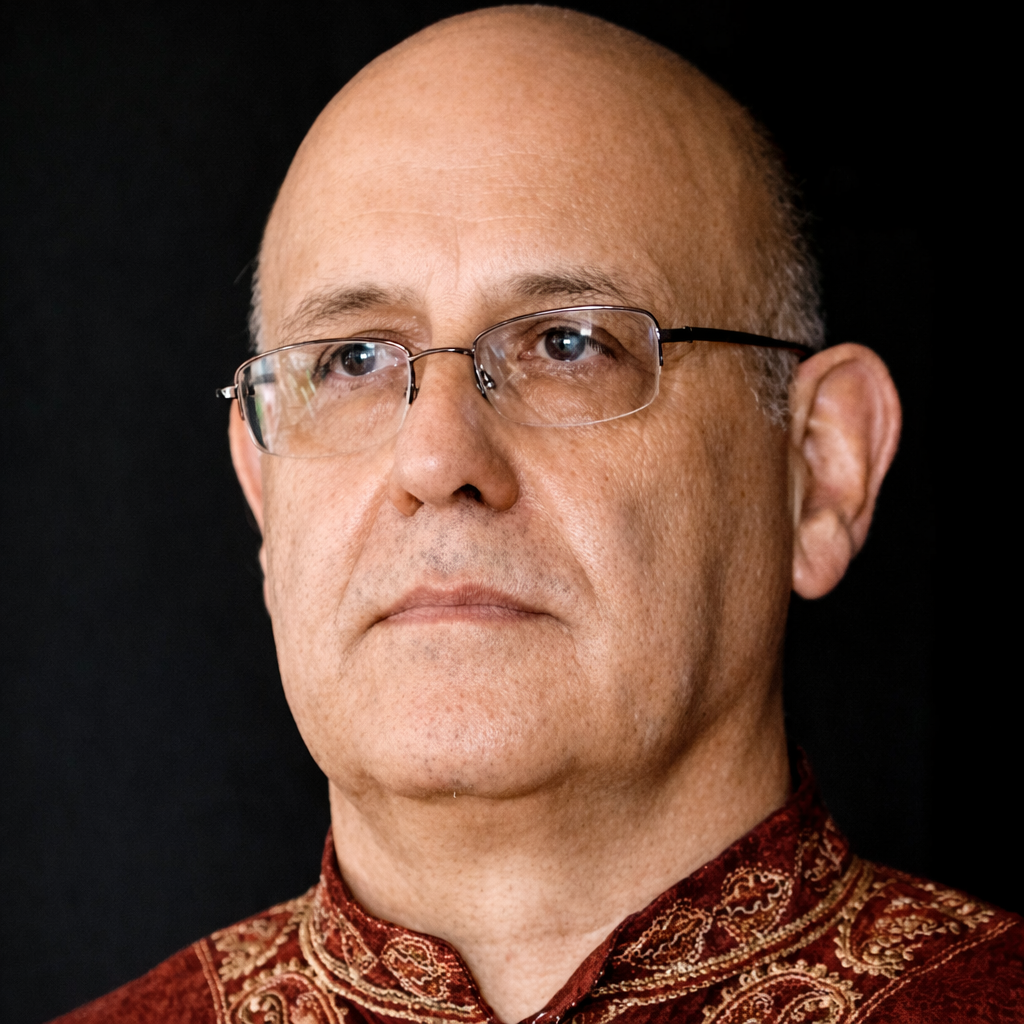
Alan Whiteside
South Africa, WK 69-74
Alan Whiteside
South Africa, WK 69-74
He describes himself as an academic entrepreneur and a proud Southern African.
Alan’s journey to Waterford began when his family moved to Swaziland in 1961. After completing primary school at St Marks Junior, he and his brother sat the Waterford entrance exam and were accepted. The family trusted Michael Stern, Waterford’s founding head, with their children’s education. Alan’s younger siblings, Derek and Gill, also attended Waterford.
At Waterford, Alan valued the school’s unique diversity. The mix of students by race, religion, and nationality offered a perspective unlike any other school in Southern Africa at the time. His formative lessons came from outstanding teachers such as Deon Glover and Dick Eyeington for geography, and Tony Hatton for history. He learned about regional events firsthand from people affected by persecution. Alan’s favorite memories include lifelong friendships, engaging in sports, and the social life at the school, although he recalls an embarrassing moment when he accidentally hit a dance partner’s head on a low ceiling.
After Waterford, Alan studied geography in the UK, completing a BA and MA in Development Studies at the University of East Anglia, followed by a D.Econ from the University of Natal. He established and led the Health Economics and HIV/AIDS Research Division (HEARD) at the University of KwaZulu-Natal, where he now holds Professor Emeritus status. Currently, he holds a Chair in Global Health Policy at the Balsillie School of International Affairs and Wilfrid Laurier University in Waterloo, Ontario, with a focus on HIV/AIDS and global health issues. He was appointed Officer of the Order of the British Empire in 2015 and served on the Waterford Kamhlaba United World College Governing Council from 1994 to 2018.
Alan credits Waterford for instilling strong values of service and giving back. He emphasizes initiative, speaking truth to power, and building a strong educational and professional foundation. He highlights the importance of staying connected with the Waterford network and leveraging the opportunities it provides.
His closest friends at Waterford were David Crush, Owen Sharp, and Jon Salisbury. His favorite ’90s soundtrack is the Bee Gees’ “Massachusetts.” Alan fondly remembers the squash courts and the vibrant friendships that have lasted a lifetime.
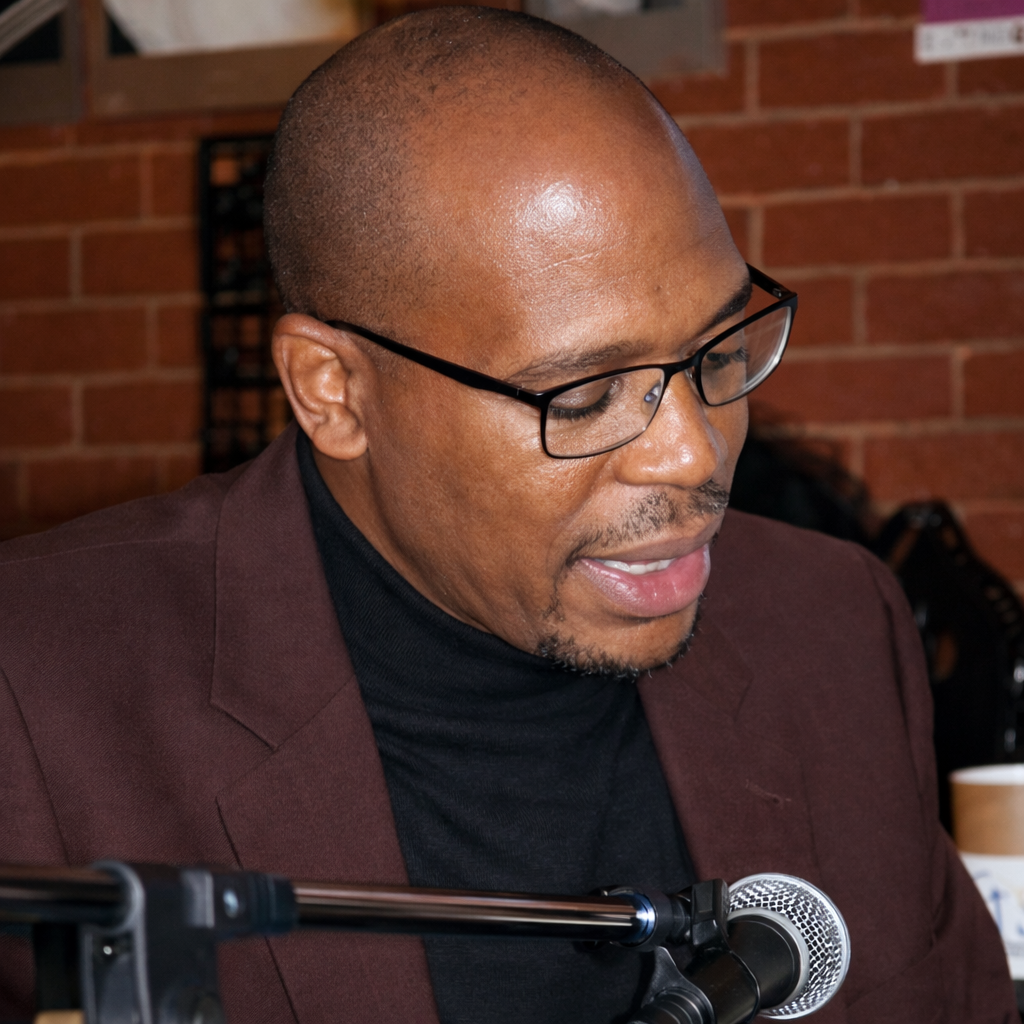
Khulile Nxumalo
South Africa, WK 89-90
Khulile Nxumalo
South Africa, WK 89-90
He describes himself as passionate about culture, media, storytelling, and creativity, with a love for television and visual storytelling.
Arriving from Johannesburg, Khulile found the international environment at Waterford initially overwhelming, but he quickly gained confidence. The school’s focus on South Africa’s political situation broadened his perspective and deepened his understanding of diversity. He learned that contributing to such a community requires active participation and giving of oneself. Memorable moments include commemorating key political dates like June 16 and March 21, and participating in Arts Week with guests such as Mongane Serote, Dr. Barney Pityana, and Hugh Lewin. His close friends at Waterford included Coy and Lucky, forming a tight-knit group.
Khulile pursued media studies and has built a career in television, focusing on documentary filmmaking. He credits Waterford’s political engagement and international perspective for shaping his approach to storytelling. While he once considered a career in medicine, his passion for the arts and telling human stories led him to media. He emphasizes staying curious and asking the human question in every technological and creative endeavor.
His advice to aspiring media professionals is to remain curious, embrace trends in technology, and focus on the human element in storytelling. Examples of his work are available online, including this documentary: Khulile Nxumalo Work.
His favorite ‘90s music memories are tied to the Coffee Bar, where he and friends enjoyed countless jams, and although he remains private about his teenage crushes, he fondly remembers being a fan of Janet Jackson.
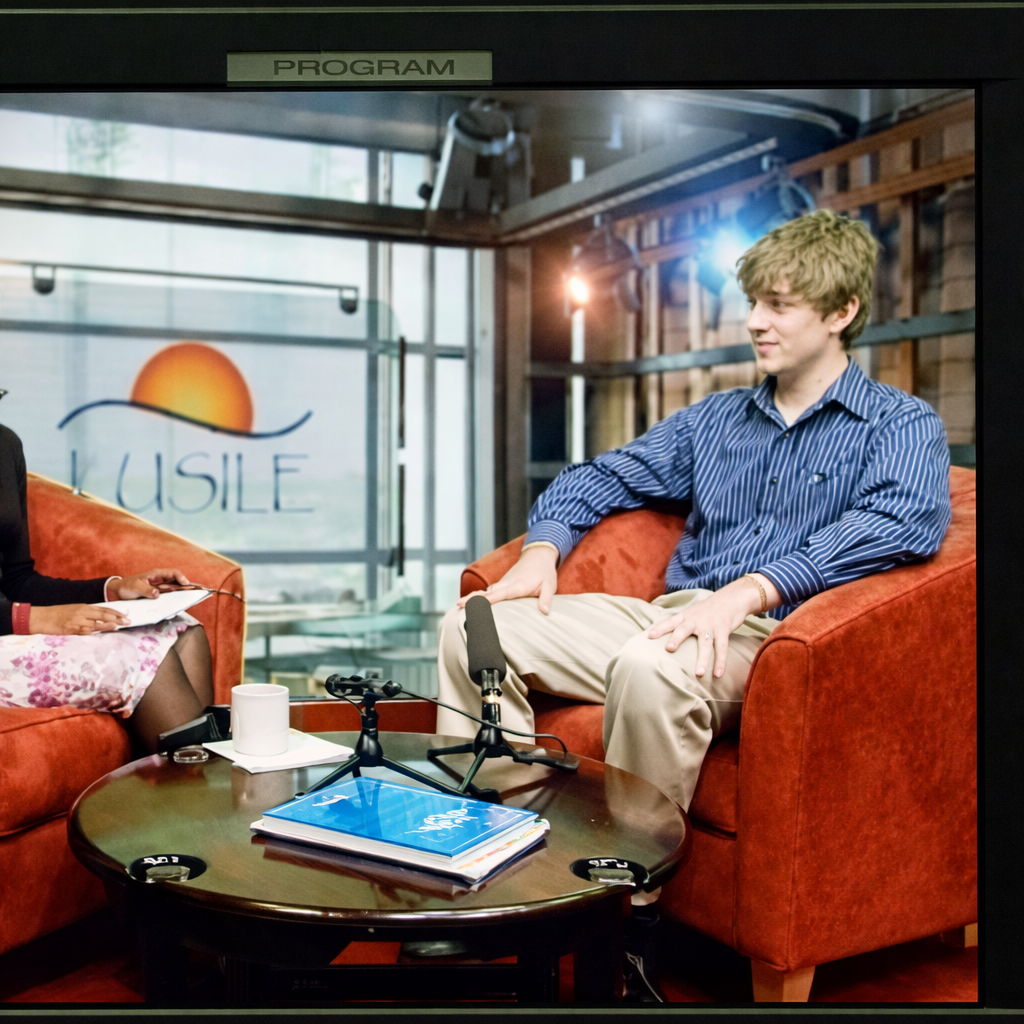
Trevor Dougherty
United States, WK 09-10
Trevor Dougherty
United States, WK 09-10
He describes himself as a multidisciplinary creative, working across video production, experimental theatre, music, and writing.
After Waterford, Trevor pursued video production in San Francisco and Bangkok while studying experimental theatre at the University of North Carolina at Chapel Hill. He became a professional DJ, spoke at the LeWeb Conference in Paris and the World Economic Forum in Switzerland, and worked as a drone videographer in Detroit. Currently, he is focused full-time on writing a nonfiction book exploring the intersection of mental health and pop culture.
Trevor credits his parents, favorite films, the internet video revolution, dance music, and hip hop as inspirations for his creative path. He reflects that Waterford played a key role not by directing his career, but by showing him the broader world beyond his initial choices.
His fondest Waterford memories center around Block A at Elangeni, where he shared a close-knit community with his “Block A brothers.” Together, they navigated the IB program, debated global politics and international ethics, endured cold showers for birthdays, and played football in the corridors. His friend group included Riasat, Panashe, Knowledge, Mebrahtu, Shaun, Vishaal, Simphiwe, John, and Nathi.
Trevor’s advice to aspiring creatives is simple: turn off your phone and take a deep breath. His favorite teachers were Mwenda and Mama D, who he remembers fondly for their guidance and humor.
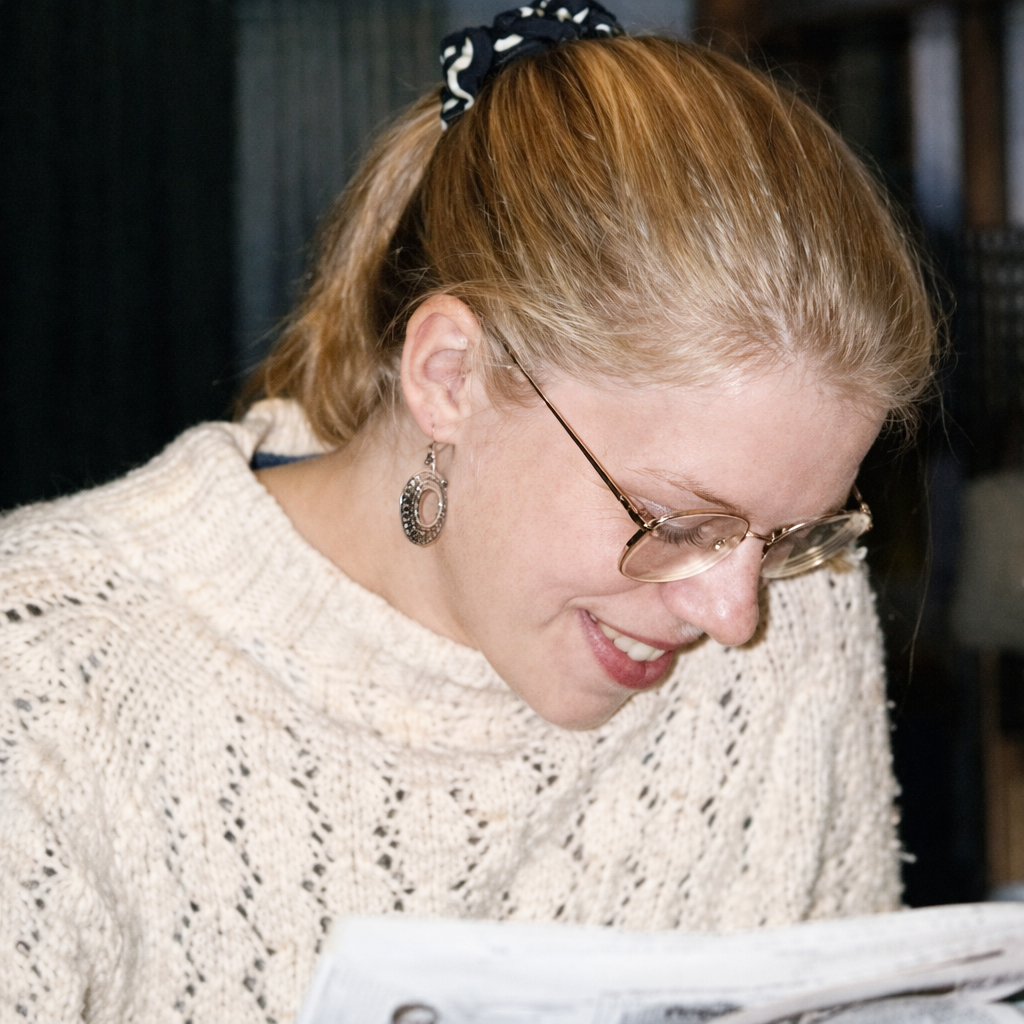
Caroline Carlson
United States, WK 87-92
Caroline Carlson
United States, WK 87-92
She is currently Vice President of a start-up social media marketing agency, leading campaigns, managing teams, and connecting brands with audiences.
Caroline studied Neuroscience and Behavior at Mount Holyoke College. After graduation, she worked in college admissions, moving into marketing and leadership roles. While raising her children, she developed a personal blog focused on politics and parenting, which led to opportunities in brand marketing and social media. Her career path evolved alongside the growth of digital platforms, allowing her to travel, cover events like Fashion Week in NYC, and engage with influential brand leaders.
Waterford shaped Caroline’s career and life approach. She credits WK with teaching discipline, critical thinking, openness to opportunities, respect for diversity, and the importance of using education for positive change. She reflects that the school instilled a perspective she continues to carry in her personal and professional life.
Her fondest memories include afternoons in the art room with IB peers, art trips, and creating performances such as the musical The Fantasticks. Caroline also remembers the historical context of South Africa during her time, noting the significance of Mandela’s impending release and the political energy on campus.
Caroline advises aspiring social media and digital marketing professionals to master the basics first: writing well, public speaking, creative thinking, critical problem-solving, and adaptability. She emphasizes that the field is constantly evolving, and a strong foundation allows one to stay ahead.
Her favorite teachers were Mick (English), Ramila Patel (Art), and Mr. O’Conner (French), all of whom left lasting impressions on her creative and academic growth. Caroline’s friend group included Natalie Hickel, Louise Pettit, and James Coats, among many others.
Her musical tastes reflect the era: UB40, Bob Marley, Mango Groove, and the 90s hip hop and R&B that defined her school years.
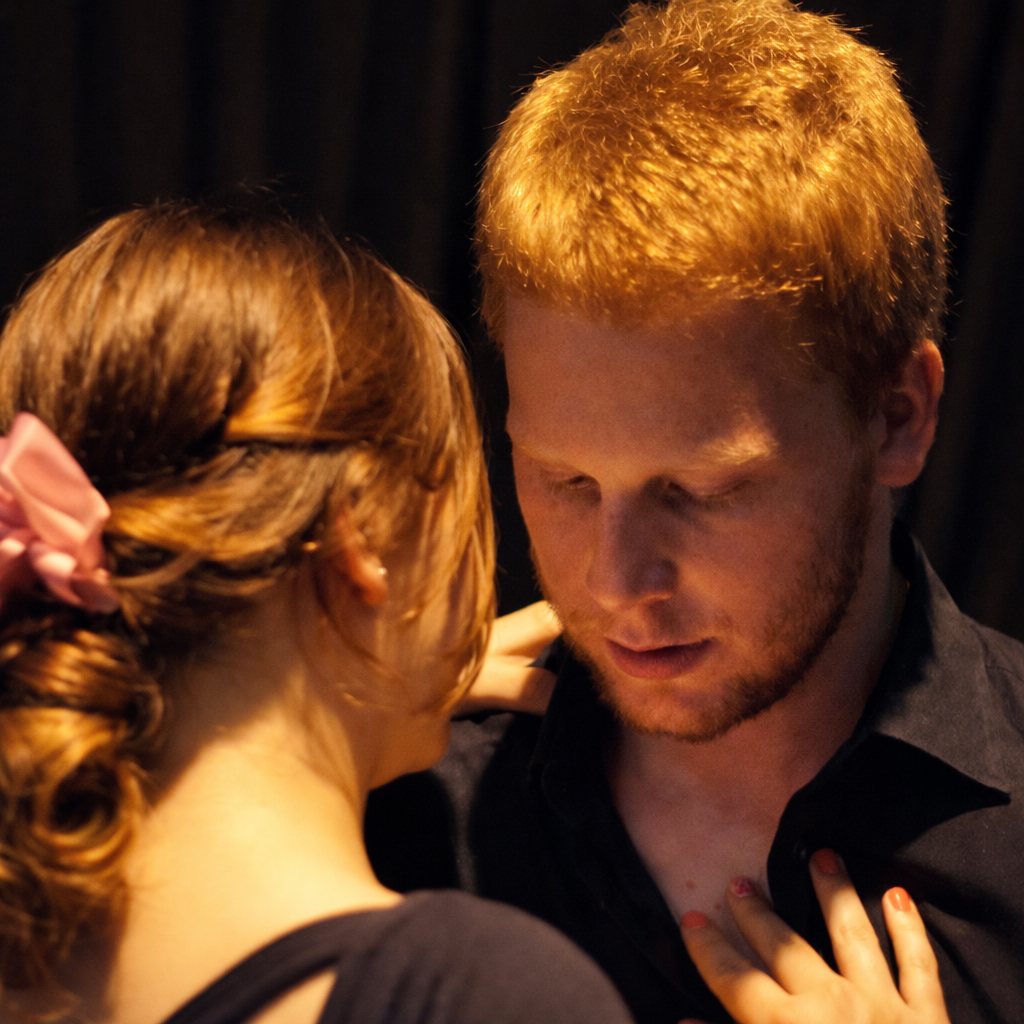
Eli Medvescek
United States, WK 11-12
Eli Medvescek
United States, WK 11-12
He is currently a second-year medical student in Washington DC and serves as a Naval Officer in the US Navy, receiving his medical training through the military.
After WK, Eli earned a degree in Biomedical Engineering from Duke University. He has had hands-on clinical experience as an EMT and through various rotations, which strengthened his passion for patient care, particularly in challenging or austere environments. A near-death experience before attending Waterford also shaped his commitment to medicine and inspired him to pursue the unique combination of military and medical service.
Eli credits Ms. Willmot for inspiring his fascination with human physiology and for nurturing his early interest in medicine. He encourages aspiring medical professionals to work diligently, pursue opportunities, engage with their communities, and maintain self-care to manage the demands of the medical field.
Fond memories of Waterford include rock climbing trips, backpacking in the Drakensburg Mountains, weekly tango lessons, pranking wars with friends, UWC Day celebrations, Bushfire, art exhibitions, town trips to Phoenix, and weekend getaways. Eli’s friend groups included various activity-based crews, from rock climbing to HL Maths and HL Anthropology.
His favorite ’90s jam is I Want You Back by NSYNC, and his favorite teacher for humor was Make Smyth (SL SiSwati ab initio), with appreciation for all his instructors at WK.
Impact stories

Lamulela Magagula
JUDO CHAMPION RAISES ESWATINI FLAG
Lamulela Magagula
JUDO CHAMPION RAISES ESWATINI FLAG
She was the only athlete representing Eswatini in the tournament.
She won the same medal in the African Cup Judo Championships 2024 in Abidjan, Côte d'Ivoire which earned her the title of number one on the continent in her weight class.
“I am grateful that I have successfully defended my title and have once again secured a continental gold medal for the country. I fought against a very tough opponent in the final (SA rising star), with only my coach to guide me,” says Lumulela, who graduated at Waterford Kamhlaba UWC in 2024.
“The Swazi flag was raised the highest during the awards ceremony whilst the national anthem was played in recognition of the country's achievement. I am very grateful and will continue to push and work hard to put Eswatini in the map.”
After winning the gold medal at the Pretoria African Cup 2025 where she was accompanied by her coach, Lamulela says this was an assurance that she is a champion.
“Having won the African cup gold medal for a second time confirmed that my first victory was not a fluke. I felt proud to represent my country on yet another global stage, especially after one of the hardest matches against a well-known South African Black belt,” she proudly says.
The achievement also boosted her rankings from 46th to 27th in the world.
Lamulela is currently living in the United States and studying at Lake Forest College. She has also found a High-Performance training centre in Chicago, with 7th Dan Black belt as head coach.
“I plan to continue training as I intend to participate in the 2028 LA Olympic Games. I have also received an Olympic Scholarship that will fund my training while I am living in the US,” she says.
She is also currently preparing for the Commonwealth Games 2026 that will be held in Glasgow, Scotland.
To the youth that aspires to play judo or any sport, the champion advises that they should not take the smallest training, practices or work within sports for granted.
She is opposed to the feeling by Swazis that they cannot be champions due to lack of facilities.
“During covid, I used to tie a belt around a pillar and practice uchi komi's (repetition techniques) due to lack of having a partner. Straight after covid, I attended the Gauteng Open and won silver in seniors and gold in my junior category which essentially opened doors for me to train in high performance,” she says.
She highlights discipline as another key factor that can go a long way in doing little things.
“I advise youngsters not to focus on what they do not have, but rather on how to maximize on what is available to them. Along with having a good support structure, despite judgments (I was also told that judo isn't for girls), continue to aspire towards your goal.”
Lamulela debuted in Angola in 2024 where she finished fourth.
Earlier in the year, she competed in a regional judo tournament held at Wits University in Johannesburg, South Africa where she competed against other athletes from Botswana, Mozambique, South Africa, and Zimbabwe.
Lamulela’s love for judo started unexpectedly at Brilliant Stars Preschool in Mbabane, where a coach gave a demonstration to spark interest in the sport. The journey has triumphed to a level where she now represents Eswatini on the African judo stage.
She started training as a hobby at the Mbabane Theatre Club twice a week after school.
While at Sifundzani Primary School, she participated in regional competitions in South Africa, earning medals and gaining exposure.
Over the years, she competed and trained in countries such as Botswana, Mauritius, and even Ireland, where she attended a training camp sponsored by Eswatini’s Sports Council.

Conrad Hughes
CONRAD HUGHES SHAPES CURRICULUM
Conrad Hughes
CONRAD HUGHES SHAPES CURRICULUM
It has been published by Brill with UNESCO.
The book offers a blueprint for change.
Hughes shows how education systems can be transformed to value diverse intelligences and align closely with the needs of learners, society, and the future of work.
In the book, Hughes says traditional exams were a problem because they narrowly focus on academic knowledge, overlooking crucial skills like creativity, collaboration, and critical thinking. This system often disadvantages students and stifles genuine learning.
He further highlights that current models were deeply rooted in rigid IQ testing and the concept of "normal distribution," creating an elitist, one-size-fits-all approach that does not reflect diverse human potential.
Hughes says COVID-19 exposed the fragility of traditional assessments, yet most systems reverted to old ways, missing a golden opportunity for meaningful reform.
“University admissions continue to reinforce narrow academic standards, hindering broader assessment recognition,” he says.
Hughes reveals that Vocational Education and Training (VET) systems, especially in countries like Switzerland and Germany, offer a robust alternative, preparing students with practical, in-demand skills and strong employment prospects. “This is a key area for expansion.”
He says there was a need for a competence-based model, uniting knowledge, skills, and attitudes, to prepare students for an unpredictable future.
He says the UNESCO IBE's seven global competences offer a powerful framework for this transformation. It calls for a global shift towards curriculum models that value doing, being, and becoming — not just knowing.
Hughes notes that the work environment was rapidly evolving, demanding skills like problem-solving, teamwork, and adaptability.
“Workplace assessment tools, such as personality tests and continuous feedback, provide valuable blueprints for schools to foster these critical competencies,” he says.
He has authored and co-authored several publications on prejudice reduction, creativity, assessment, competence-based learning and international-mindedness in education.
An expert in education and training policy Joao Santos describes the book; “It is a powerful call to rethink how we assess learning. This book (UNESCO IBE, 2025) exposes the deep flaws in 19th-century, high-stakes testing and presents a holistic roadmap to design curriculum and assessment for human flourishing. A must-read for educators, policymakers, and anyone working in skills development and VET.”
Hughes, who is fluent in English and French, is the Head of School of the Lycée International de Los Angeles where he oversees the strategic vision, academic excellence, and operational efficiency of the organisation. With over 18 years of experience in educational leadership, he has a passion for fostering transformative learning, intercultural understanding, and global citizenship among students and staff.
He holds an EdD in Critical Thinking from Durham University (UK) where he is a Professor in Practice, a PhD in English Literature from the University of the Witwatersrand (South Africa), and a Life Coach certification from Erickson Coaching International. He is also a Senior Fellow at IBE-UNESCO, where he contributes to the development of research-based and innovative curricula for the 21st century. His skills include comparative education, tutoring, educational leadership, and solution-based coaching.
His mission is to empower learners to become agents of positive change in their communities and beyond.
Meanwhile, Hughes recently visited The Getty Villa which compares museums with educational design.
“Too often our curricula are jam-packed with knowledge, sequenced in such a manner that the experience of incorporating all that information is neither ergonomic nor particularly enjoyable. It’s a kind of conveyor belt of transmission, forcing learning off by heart in a concentrated setting, ending with the brutal episode of very high-stakes and narrow assessments which are equally compressed. It's a bit like an overfilled museum.”
He says Getty’s Villa, on the other hand, contained two extremely powerful lessons that are a model to be venerated for the curation of art and, by analogy, the creation of curriculum design: curatorial aestheticism (a cogently designed curriculum is a beautifully told story, not some packaged industrial "unit" or a "scheme") and the artful bringing to life of knowledge.
“Powerful teaching is not about a dry utilitarian transmission of facts but a reawakening of the context, intrigue, passion and innovation that lies behind the knowledge.”
The Getty Villa is an educational centre and an art museum located at the easterly end of the Malibu coast in the Pacific Palisades neighbourhood of Los Angeles, California, United States.

Luyanda Mndzebele
PASSIONATE ABOUT ECONOMIC DEVELOPMENT
Luyanda Mndzebele
PASSIONATE ABOUT ECONOMIC DEVELOPMENT
She completed her International Baccalaureate (IB) diploma at Waterford Kamhlaba in November 2024 and is currently pursuing Economics abroad.
Luyanda serves as Chairperson of the UNICEF Youth Advisory Board in Eswatini, working with a team of 11 young leaders to advocate for meaningful youth inclusion, improved education and solutions to challenges affecting vulnerable youth and children. She is also an active climate advocate and a member of the Oxford Climate Society, the Max Thabiso Edkins Climate Ambassador Program and the FXB Climate Ambassador Program.
One of Eswatini’s newest Global Partnership for Education (GPE) Youth Leaders, Luyanda represented the organisation at the highest platform — the United Nations General Assembly (UNGA 80) in September 2025. Beyond her advocacy work, she enjoys gardening, knitting and youth empowerment.
In 2021, she was selected for the inaugural regiment of Rise Fellows, a program supporting exceptional teenagers aged 15–17 in their service to the world. Her Rise project focused on empowering rural farmers through organic and sustainable agricultural practices. She developed an organic plant booster for her home garden and promoted backyard gardening and water harvesting in her community at the height of the Covid-19 pandemic.
“For me, opportunity met preparedness in my journey to UNGA. Through my work in climate change, including serving as a remote coordinator for Blue Scarfs, which began as a UNICEF Youth Leadership group with participants from over 55 countries trained for six months on ‘Leadership as a Practice’, I found my footing and began making a meaningful impact,” she said.
“I have also interned and volunteered with grassroots organisations such as PELUM Eswatini, where I worked in their urban garden in Ezulwini, and COSPE Eswatini, where I supported rural communities adapting to climate change through training, workshops and community visits between 2022 and 2023.”
She added: “A few months after completing my IB and graduating from the MTE Climate Ambassador Program, the outreach officer nominated me as a Youth Leader for the GPE. This was based on the work I had shared on LinkedIn and how I have grown as a climate change youth advocate. I accepted the nomination, participated in a selection call and was later chosen as a youth leader.”
In June this year, GPE invited Luyanda to represent the organisation at UNGA. She gratefully accepted the opportunity, describing it as an honour to share her perspectives as a youth leader combining her experience in education advocacy (UNICEF) and climate action (volunteering and online programs) on the global stage.
Luyanda said UNGA was an eye-opener, particularly as she witnessed the growing frustration among young people who feel that the United Nations is losing its ability to address global crisis, including conflict and inequality.
“There is a real need for the UN to continue involving the youth. It is encouraging that the UN now has a Youth Office facilitating its participation in decision-making, which is a significant step forward,” she said.
While at UNGA, she found herself in the same room with presidents, heads of state and, at one point, UN Secretary-General António Guterres and Deputy Secretary-General Amina Mohammed.
Luyanda advises young people to seek strong mentorship, surround themselves with supportive friends, embrace discomfort and remain resilient.
“There will always be people who misunderstand your journey or think you are ‘too much’ of this or that. Self-awareness is essential. Be open-minded, willing to learn and unlearn — and be rebellious with your dreams,” she concluded.
what’s new
Waterford Kamhlaba UWCSA
P O Box 52, Mbabane, H100, eSwatini
Waterford Park, Mbabane
Contact Us: +268 2422 0866/7/8
USEFUL LINKS


